ERP / Manufacturing Operations
Connecting procurement, production, and inventory in one operational platform.
Bunyax
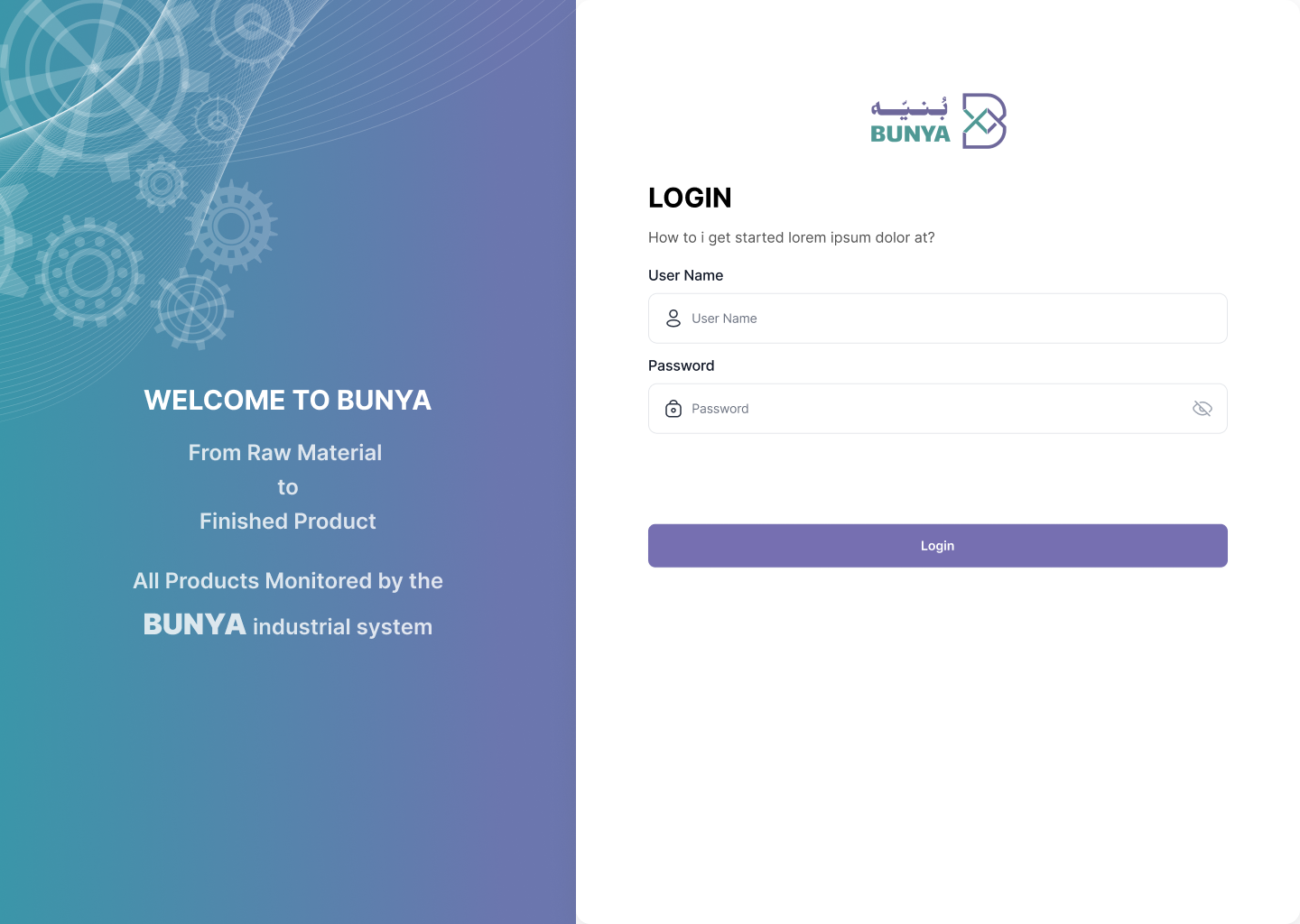
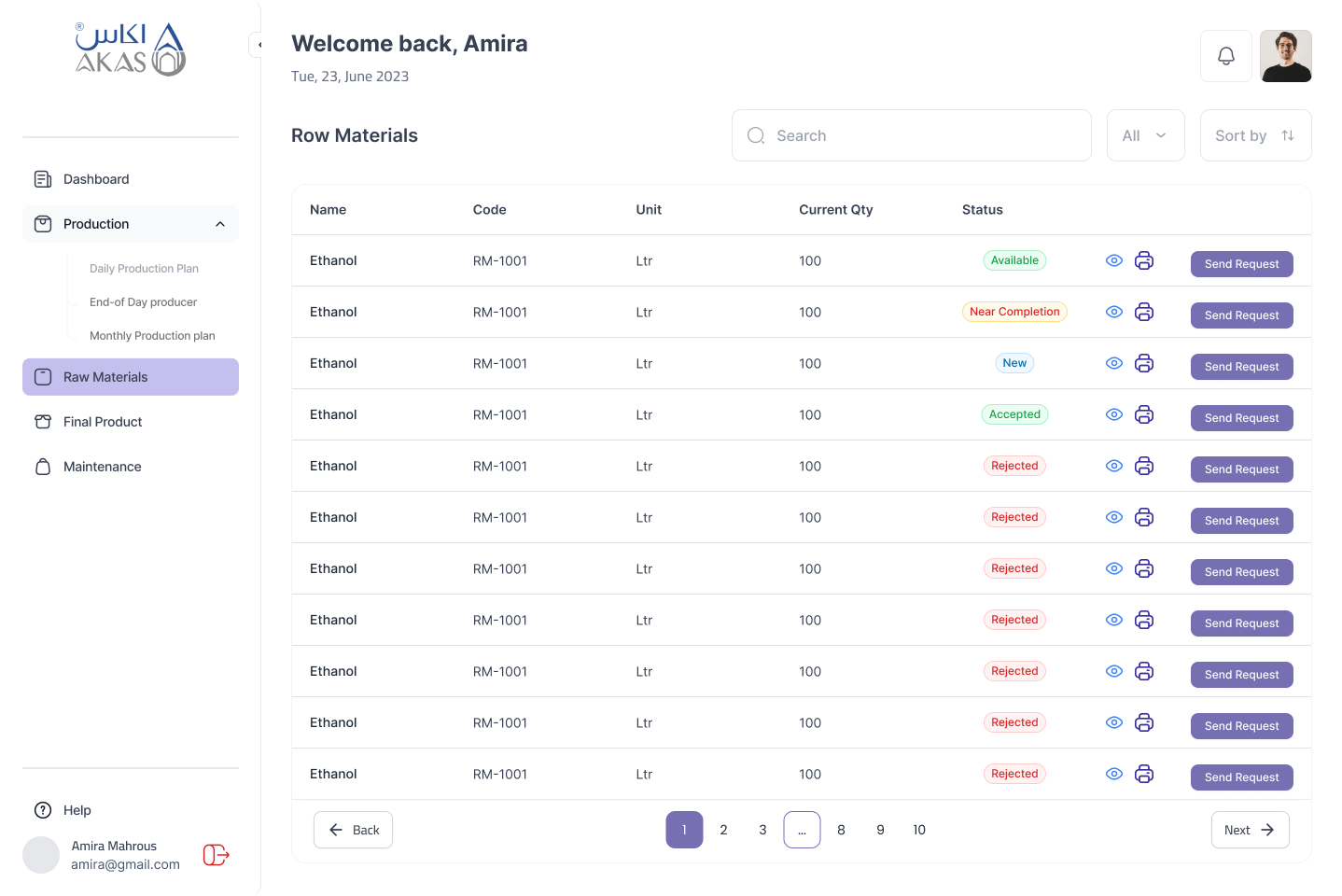
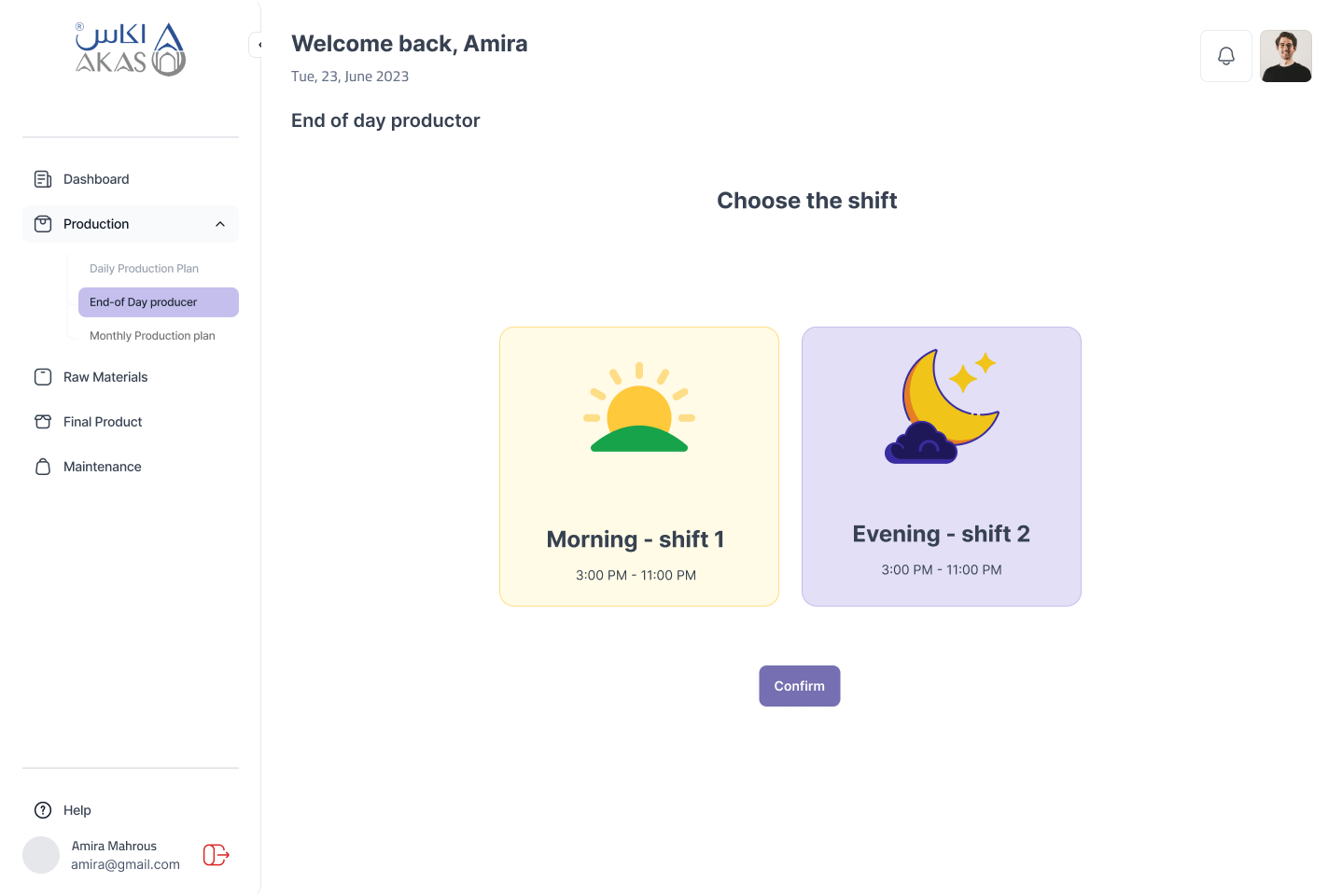
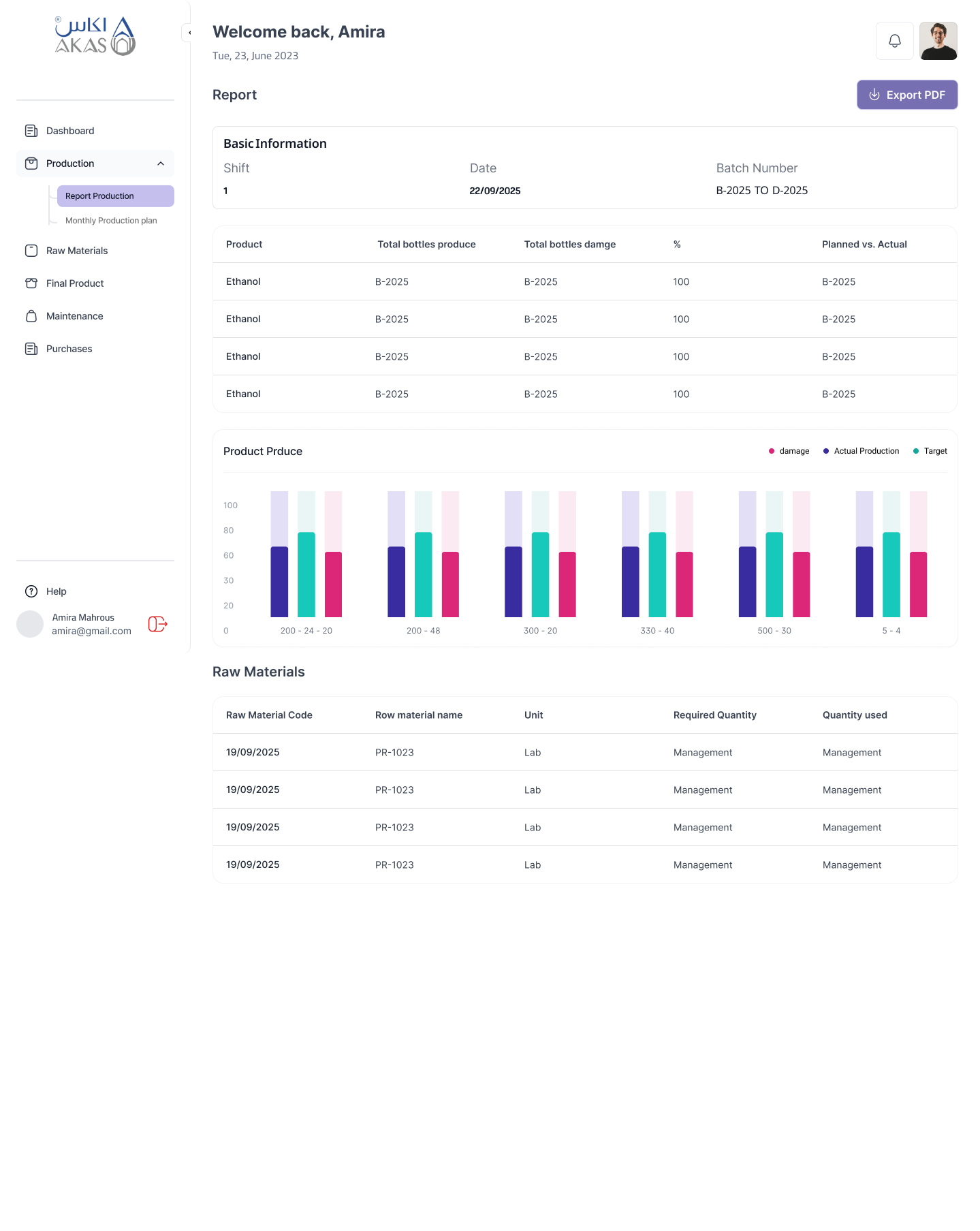
Overview
Full-stack platform with Next.js and NestJS supporting day-to-day manufacturing and warehouse operations.
The Bunyax platform centers on identity and access (users, JWT authentication, department-scoped capabilities and permission guards), procurement (suppliers, purchase orders, history, and quality checks), materials and catalog (raw materials with department stock context, finished products and product–material relationships), planning (plans and plan lines), production (machines and operators, shifts with end-of-shift flows, structured machine shift logs for output, stops, speeds, batches, and damage), logistics (warehouses, stock transfers, and transfer requests), quality and labs (lab report templates with flexible tables and recorded lab reports), maintenance (maintenance requests), collaboration (threads and messages), files served under `/uploads`, and insights (dashboard and reporting). Together these areas let teams trace materials from intake through production, movement, QA, and follow-up maintenance.
Business context
Bunyax is an operational platform for manufacturing and warehouse teams. It models how materials, orders, machines, and quality checks connect so operations can trace work from intake through production and movement.
Problem and constraints
Manufacturing teams need procurement, production, inventory, and quality data to stay consistent across departments — not scattered across spreadsheets and disconnected tools.
Operational domains are tightly coupled: purchase orders affect stock; production consumes materials; transfers and lab reports must remain consistent. Permissions need to respect departments and roles without blocking daily work.
My role and responsibilities
Built full-stack capabilities across identity, procurement, production, logistics, quality, and reporting on NestJS and Next.js.
- Implement identity and access with JWT authentication and department-scoped permissions
- Build procurement flows for suppliers, purchase orders, history, and quality checks
- Model materials, finished products, and product–material relationships
- Support production planning, machines, operators, shifts, and structured shift logs
- Deliver logistics (warehouses, transfers), lab reports, maintenance requests, and dashboards
Solution and implementation
A NestJS API and Next.js client share a coherent domain model: procurement feeds materials, production consumes them, logistics moves stock, and quality/maintenance close the loop. Role-based guards keep capabilities aligned with department responsibilities.
Architecture / workflow
Next.js client
Operations UI
NestJS API
JWT · permissions
Procurement
Suppliers · POs
Production
Shifts · machines
Inventory
Warehouses · transfers
Quality
Lab reports
Flow: web → api · api → proc · proc → prod · prod → inv · inv → qa
Next.js frontend talks to a NestJS API. Prisma + MySQL persist domain entities. JWT auth and permission guards protect routes. Uploads, lab templates, collaboration threads, and reporting sit alongside core manufacturing modules.
Important technical decisions
Model interconnected operational entities explicitly
Suppliers, purchase orders, raw materials, products, plans, shifts, warehouses, and lab reports are first-class so relationships stay enforceable in the database and API.
NestJS + Next.js for clear server/client boundaries
Validated NestJS modules with Prisma/MySQL back a typed Next.js frontend, keeping business rules on the server while the UI focuses on operational workflows.
Permission guards over ad-hoc checks
Department-scoped capabilities and JWT guards make authorization consistent across procurement, production, and logistics screens.
Results and outcomes
- Unified procurement, production, inventory, and QA into one operational system
- Improved traceability from materials intake through production and stock movement
- Gave teams real-time dashboards and reporting instead of fragmented manual tracking
Notable capabilities
- Role-based access & permissions
- Procurement & supplier management
- Production & batch tracking
- Inventory & stock management
- Quality checks & lab reports
- Maintenance request system
- Dashboard & reporting
- File uploads
Technology stack
Interested in similar work?
Let's talk about your SaaS product, operational platform, or complex feature set.
Get in touch